
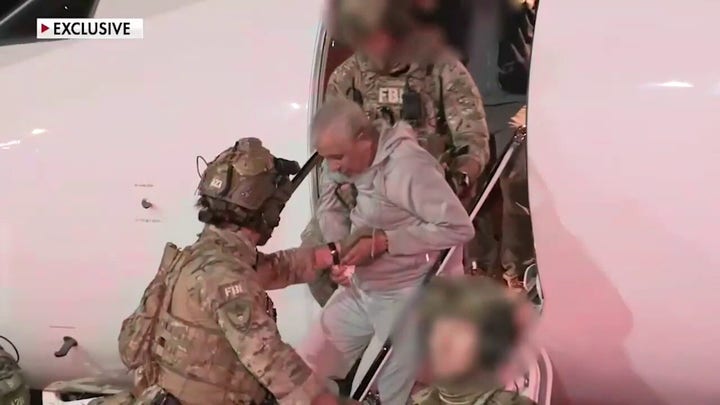
After 13 years of pursuit, one of the terrorists who murdered four Americans in Benghazi has arrived on U.S. soil to face justice.
Zubayr al-Bakoush was flown to Joint Base Andrews early Friday morning following an FBI overseas operation. Attorney General Pam Bondi, FBI Director Kash Patel, and U.S. Attorney Jeanine Pirro announced that he faces eight federal counts, including murder, terrorism, and arson, for his role in the September 11, 2012, attack that killed Ambassador J. Christopher Stevens, State Department officer Sean Smith, and CIA contractors Tyrone Woods and Glen Doherty.
‘For 13 hours, Americans waited for help that never came,’ Pirro said, as personnel defended the nearby CIA annex under sustained attack. ‘Today, American justice has arrived.’
The families of the fallen deserved this moment. But Benghazi was always about more than catching terrorists. It exposed fundamental leadership failures and an administration that prioritized narrative control over accountability.
Security Failures Nobody Owned
The State Department’s own Accountability Review Board delivered a devastating verdict in December 2012. The board found ‘systemic failures and leadership and management deficiencies’ that resulted in ‘grossly inadequate’ security in Benghazi. While the board did not assign criminal liability, it made clear that leadership failures in Washington materially contributed to the tragedy.
Despite extensive intelligence warnings about deteriorating security and al-Qaeda’s expanding operations, State Department officials in Washington repeatedly denied requests for additional security from personnel on the ground. The CIA, by contrast, increased security at its Benghazi facilities.
This is what American resolve looks like when clarity replaces spin and persistence replaces defensiveness.
Four State Department officials were cited for their failures by the Accountability Review Board. They were placed on administrative leave with pay, then returned to government service in other roles rather than being dismissed. Two eventually retired voluntarily. More than a year after the attack, no official had been fired, demoted, or otherwise held personally accountable for decisions that left Americans vulnerable.
The YouTube Video That Wasn’t
In the days following the assault, senior Obama administration officials blamed a spontaneous protest sparked by an anti-Islam video. That explanation collapsed under scrutiny. Intelligence agencies understood almost immediately that this was a coordinated terrorist attack by extremist militias, including the designated terror group Ansar al-Sharia.
When Hillary Clinton appeared before the Senate Foreign Relations Committee in January 2013, Sen. Ron Johnson, R-Wis., pressed her on why evacuees who could confirm there was no protest were not immediately contacted. Clinton’s response became infamous: ‘What difference, at this point, does it make?’ To critics, her remark symbolized an administration more focused on managing political fallout than confronting hard truths about security and responsibility.
